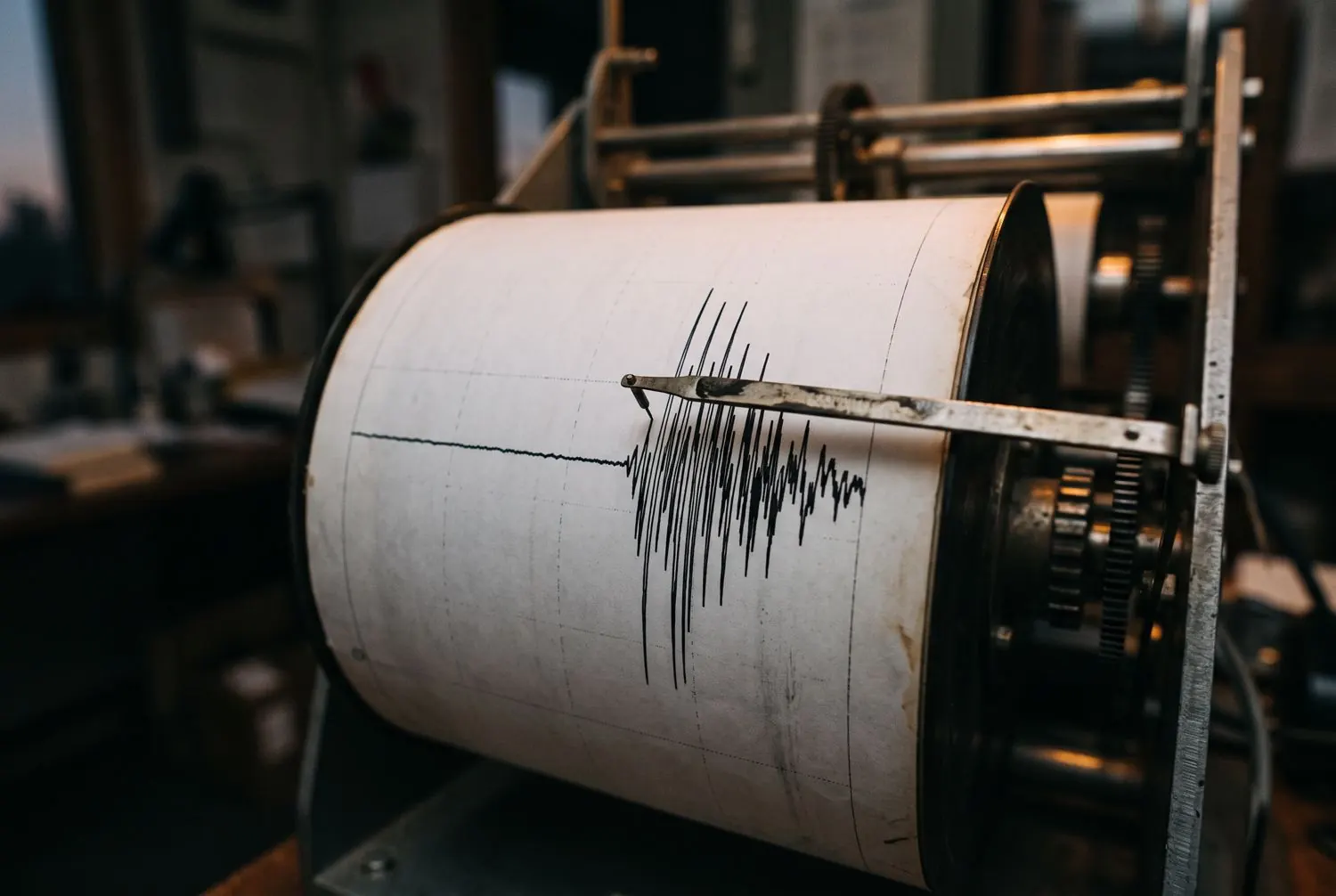
In an earthquake, most injuries aren't caused by the building itself, but by falling objects and by people falling while trying to move as everything shakes. That is why the first rule is: don't run.
While it shakes: drop, cover and hold on
- Drop before the earthquake knocks you down.
- Cover your head and neck, ideally under a sturdy table. If there isn't one, next to an interior wall with your arms over your head.
- Hold on until the shaking stops.
Stay away from windows, shelves and anything that could fall. Don't use the elevator. If you're inside, stay inside; if you're outside, stay outside.
Depending on where you are
- In bed: stay there and cover your head with a pillow.
- On the street: move away from building fronts, poles and power lines.
- Driving: pull over away from bridges and overpasses and stay inside with your seatbelt on.
- On the coast: if the earthquake is long, or so strong you can't stand up, that is your tsunami warning. When it stops, head to high ground without waiting for another alert.
Three myths that put you at risk
- The triangle of life. Looking for a gap next to furniture forces you to move while everything is shaking. The alliance behind the ShakeOut drills calls it potentially life-threatening.
- The doorway. In modern homes it is no stronger than the rest of the house, and the door can hit you.
- Running outside. That is when most injuries happen: falls, broken glass and falling objects.
When the shaking stops
- Put on shoes and check for injuries.
- If you smell gas, shut off the valve, open the windows and get out without switching anything on.
- Take the stairs out if the building has large cracks, and wait out the aftershocks outside.
- Text that you're OK instead of calling: the network gets overloaded.
- Don't go back into a damaged building until it has been inspected.
What Venezuela's double earthquake taught us
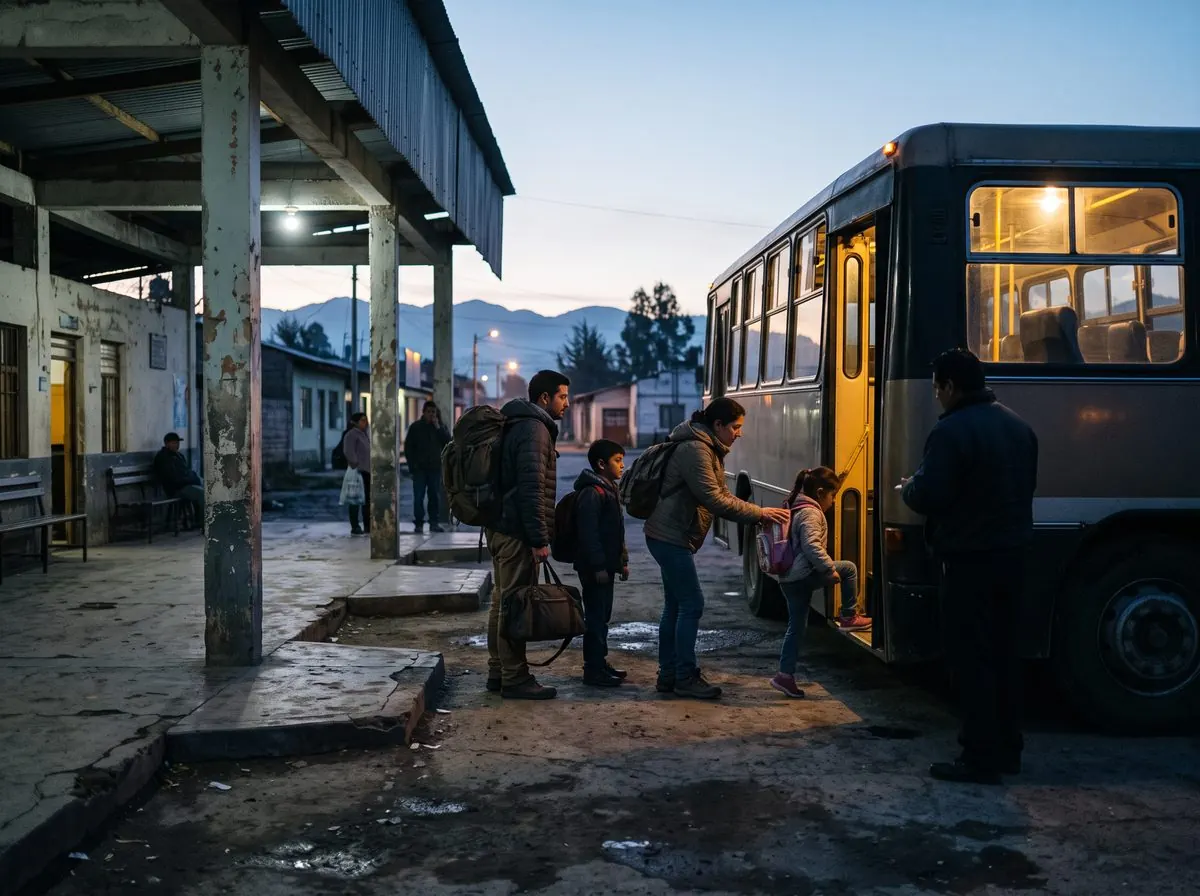
On June 24, 2026, two earthquakes of magnitude 7.5 and 7.2 struck central and coastal Venezuela on the same day. As of June 30, the official toll was 1,943 dead and 10,571 injured.
One of that week's 689 aftershocks brought down the Caraballeda bridge. Live rescues dropped off very quickly: 2,407 on the first day and just one on the sixth. In the first hours, it is neighbors who save lives, not international teams.
Get your home ready today
- Anchor to the wall tall furniture, shelves, the water heater and the TV.
- Pick the safest spot in each room: next to an interior wall or under a sturdy table.
- Next to every bed: closed shoes, a flashlight and your glasses.
- Learn to shut off your home's gas, water and electricity.
- Agree on a meeting point and a contact who lives outside the city.
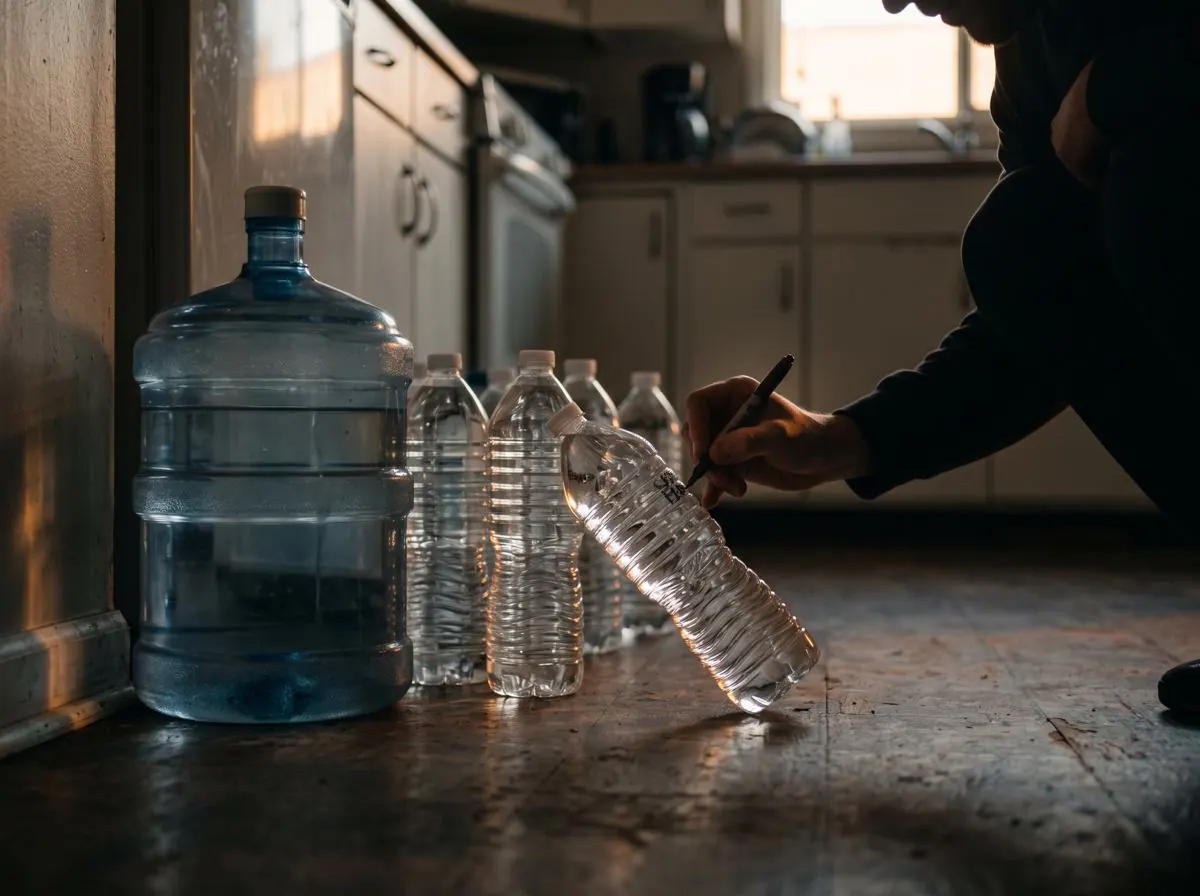
Assume help may take three days to reach your street: water, food, a first aid kit and a battery radio. The earthquake quick guide puts it all on one page.