A go-bag is the bag you grab if you have to leave home in five minutes: a fire, a flood or a damaged building. It is meant to last 72 hours, the time help can take to get organized.
Before the list: three rules
- One per person, light enough to carry while walking and leaving your hands free.
- By the door, not at the back of a closet.
- Check it every six months: water, medicine and batteries expire.
The prices in this article are our estimate based on 2026 online store prices. They vary by country.
Basic: $30 to $50
Almost everything comes from your home. What you buy is cheap.
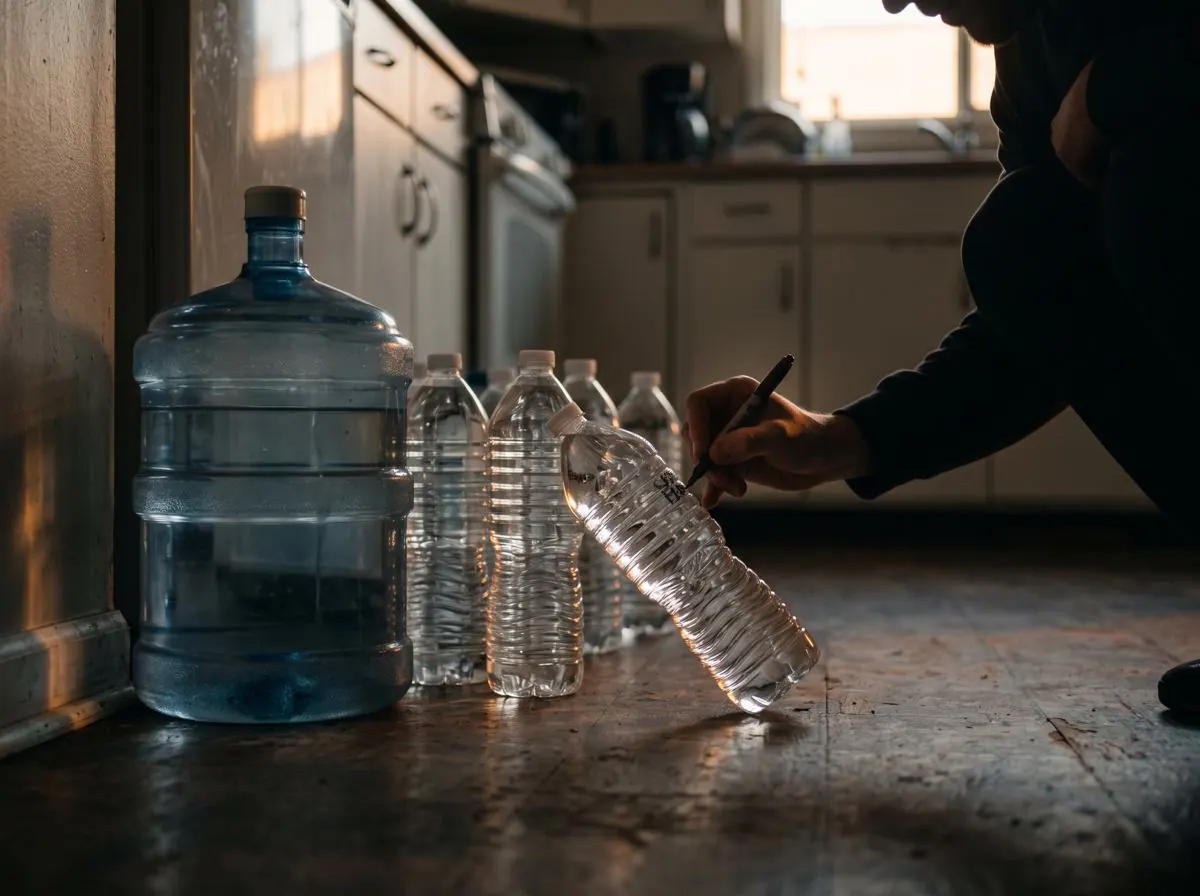
- Water: 2 reused 1-liter bottles, plus unscented bleach in a small dropper bottle to disinfect more.
- Food for 3 days that needs no cooking and opens without tools: tuna, crackers, nuts, dried fruit.
- Daily medications for 3 days, with the prescription.
- Copies of documents in a waterproof bag and a contact list on paper.
- A flashlight with spare batteries and a whistle. Save your phone battery.
- A change of clothes, socks and something warm.
- 3 large trash bags: they work as a raincoat, a shelter or a toilet.
- Hygiene: soap, toilet paper, pads and masks.
- Cash in small bills, a charger and cable, and a spare house key.
Intermediate: $150 to $220 in total
Add what makes you independent:
- A stocked first aid kit, from about $9.
- A battery AM/FM radio, about $28: when the internet and cell networks go down, radio keeps you informed.
- Water purification tablets, about $12, and a 10,000 mAh power bank.
- An emergency blanket, a raincoat or poncho and a multi-tool.
- N95 masks against dust, smoke and ash.
- A lighter and matches in a waterproof bag, duct tape, 33 feet (10 m) of rope and work gloves.
Advanced: $500 to $900 in total
To keep going for several days even if help doesn't come:
- A portable water filter, about $29. Start here.
- A certified tourniquet and a compression bandage. Knockoffs break; learn to use it in a class.
- A folding solar panel or a large power bank, and a hand-crank radio with a flashlight.
- Two-way radios for the family.
- A compact sleeping bag and a camping stove, outdoors only.
- A 30- to 40-liter backpack with a padded hip belt.
- Spare glasses, documents on a USB drive, a paper map, a compass and a headlamp.
What people forget most
- Babies: formula, bottles and diapers. Pets: food, water and a leash.
- Prescriptions and allergies for each person, in writing.
- Cash: without power, ATMs and card readers don't work.
- Closed, comfortable shoes you can walk several miles in.
How to build it without spending everything at once
- This week: what you already have at home. Water, clothes, document copies and a flashlight.
- Next week: the food and the first aid kit.
- After that: one intermediate item every two weeks.
In the preparedness test you can check off what you already have in each bag and see what you're missing.