Today there are 5.9 million refugees abroad.
Democratic Initiatives Foundation · UNHCRHomeStage 1
Stage 1 of 3 · Awareness and observationBecome aware and observe
Before buying anything, learn to look. This stage costs no money: it means accepting that it can happen, knowing what threatens the place where you live and recognizing the signs in time.
Stage 1 · Step 1 of 6
Accept that it can happen
Nobody saw it coming, and it happened. Six recent cases and one that science considers certain. Reading them is not meant to scare you: it is meant to stop you thinking it won't happen to you.
Denmark estimates that Russia could be ready for another war in about five years.
The Local · Danish intelligence, via Ukrainska PravdaMost died before the alert sounded on their phones.
Diari de TarragonaIt was not raining that morning: a glacier broke off.
Al JazeeraTrains, traffic lights and phone networks stopped.
MalditaA collapse can also be slow.
UNHCRWhat it is, how cities prepare and where it makes sense to live.
See the full caseA social collapse is when power, water, fuel, payments and security all fail at the same time. It can last hours, like a blackout, or years, like an economic crisis. What a collapse looks like
Stage 1 · Step 2 of 6
Look at what already happened
106 real events across the 24 types of emergency. Pick one and see where it happened, when, and what it left behind.
Stage 1 · Step 3 of 6
Know the risks where you live
Not every threat affects you the same way. Answer three questions about your area and use three of the site's tools to rank them.
- What has already happened where you live?Earthquakes, floods, hurricanes, fires or riots in the last twenty years. What already happened is the most likely to happen again.
- What is near you?Coast, river, hillside, volcano, border, industrial area. Measure the distance on a map.
- What do you depend on every day?Power, tap water, the bank, gasoline, internet, a medication. Every dependency is a point where you could be left with nothing.
Stage 1 · Step 4 of 6
Learn to read each threat
An official report is only useful if you understand it. The monitoring center explains each scale with examples; go to the one that affects you.
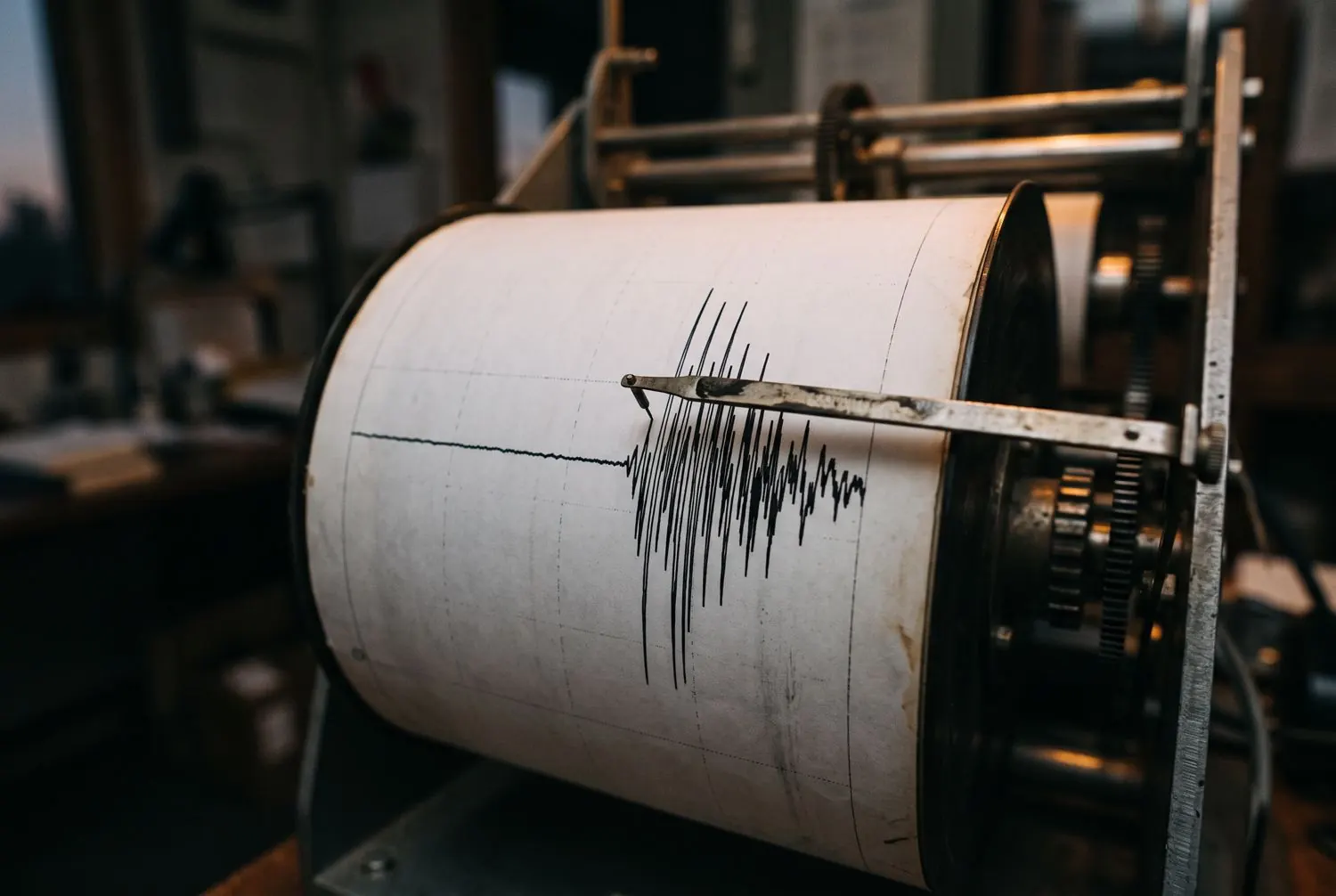 EarthquakesMagnitude, depth and time: what each number means.
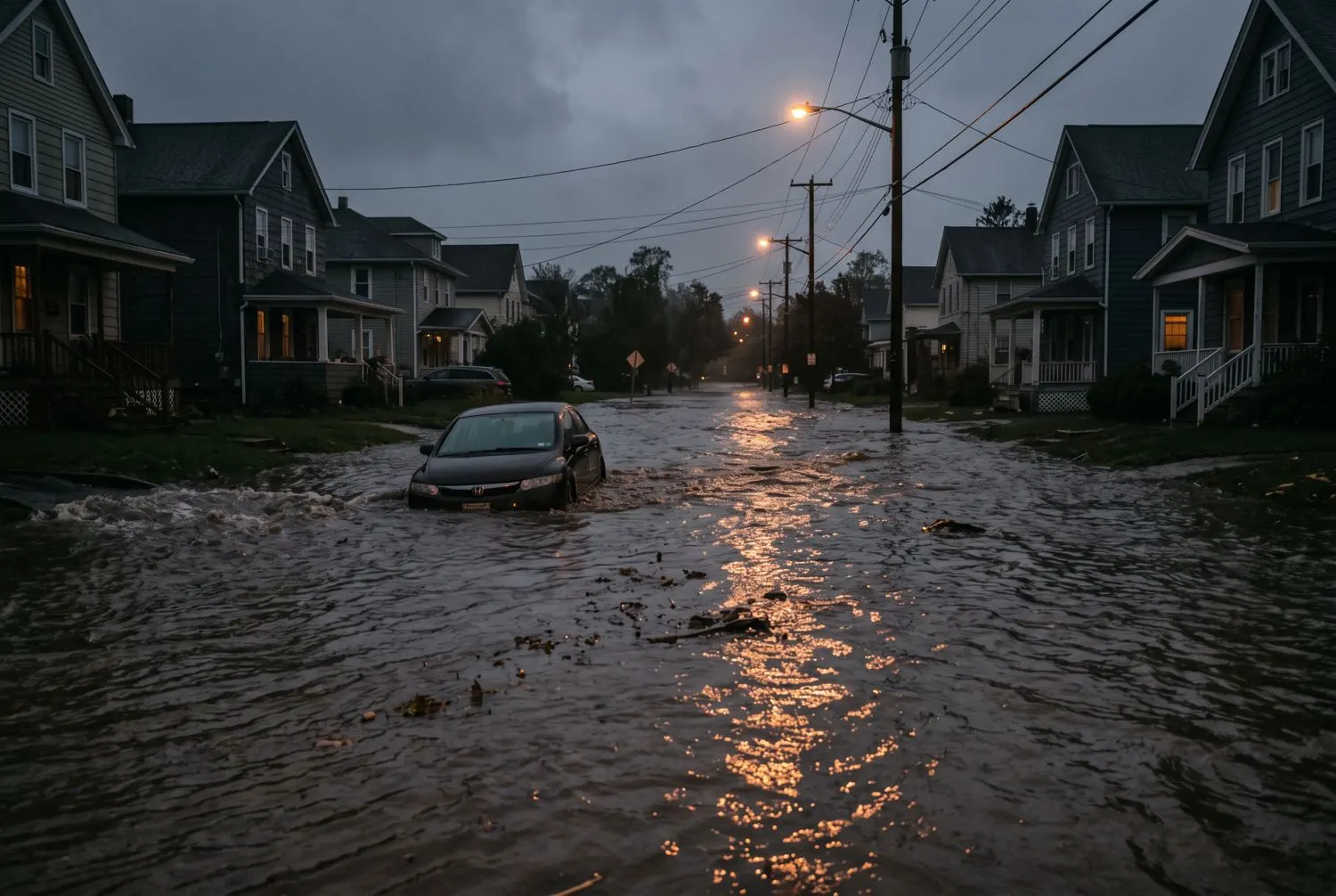 FloodsA watch is not a warning, and how little water it takes to sweep you away.
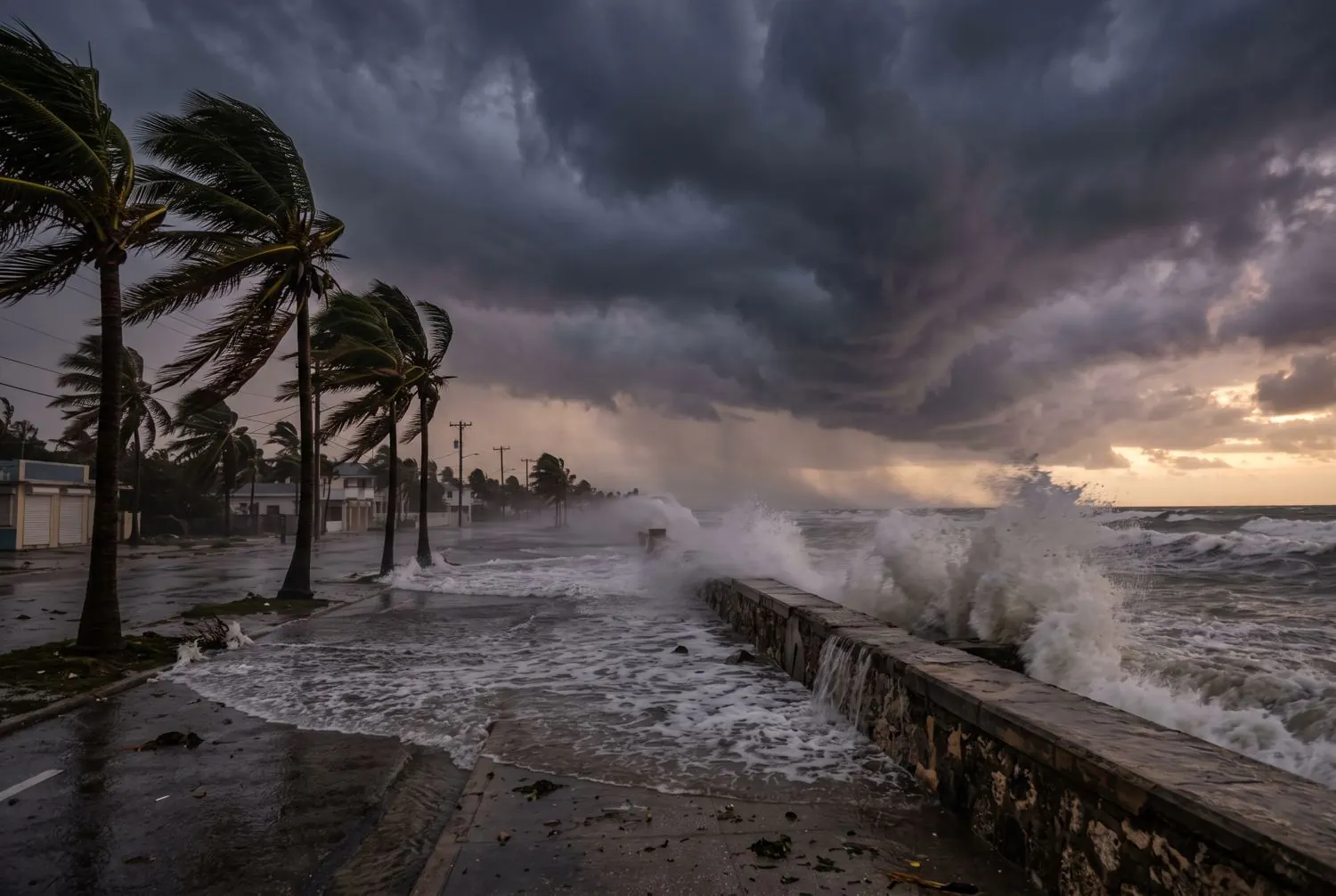 HurricanesCategory, forecast cone and why water kills more than wind.
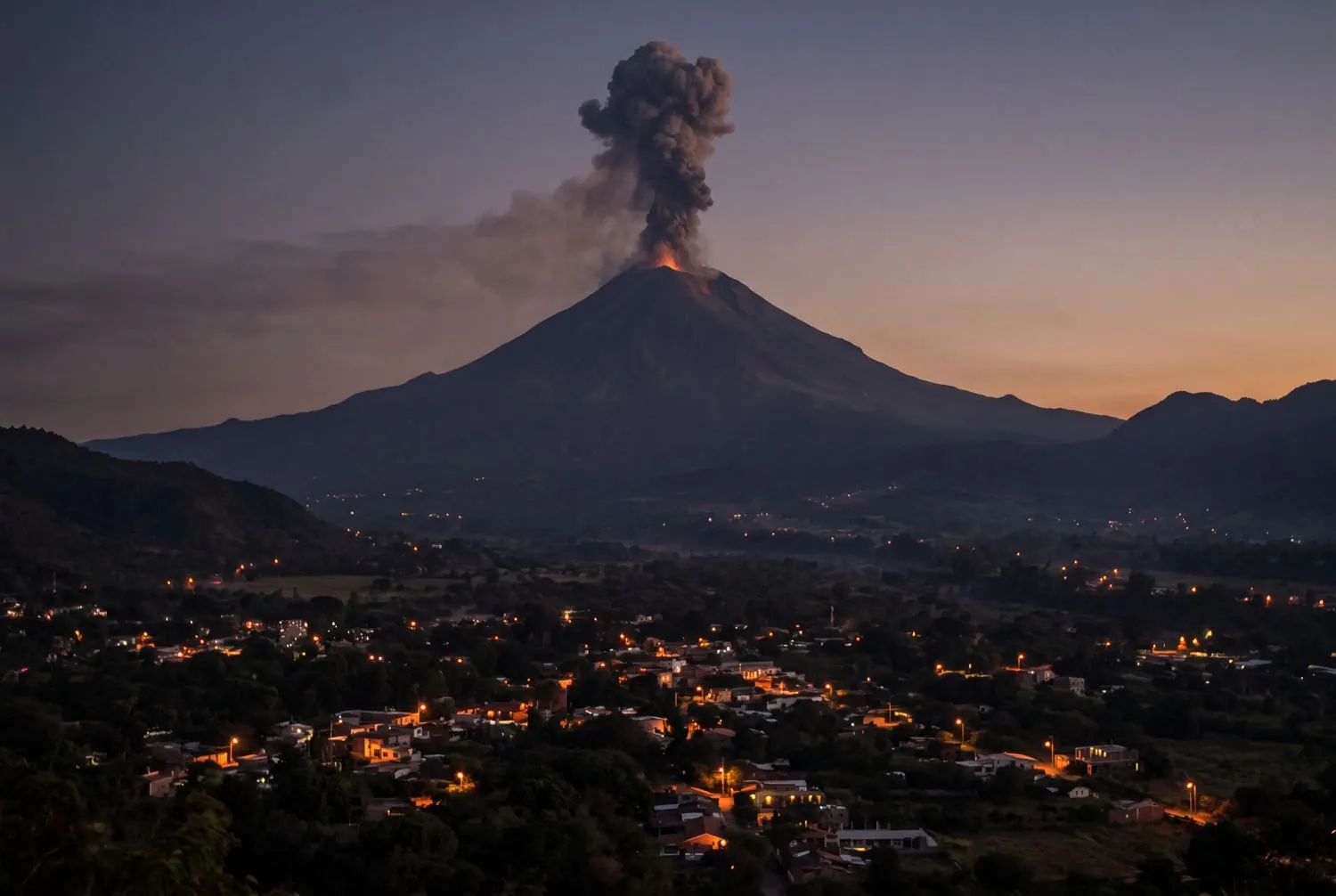 VolcanoesEach country uses a different scale: learn yours.
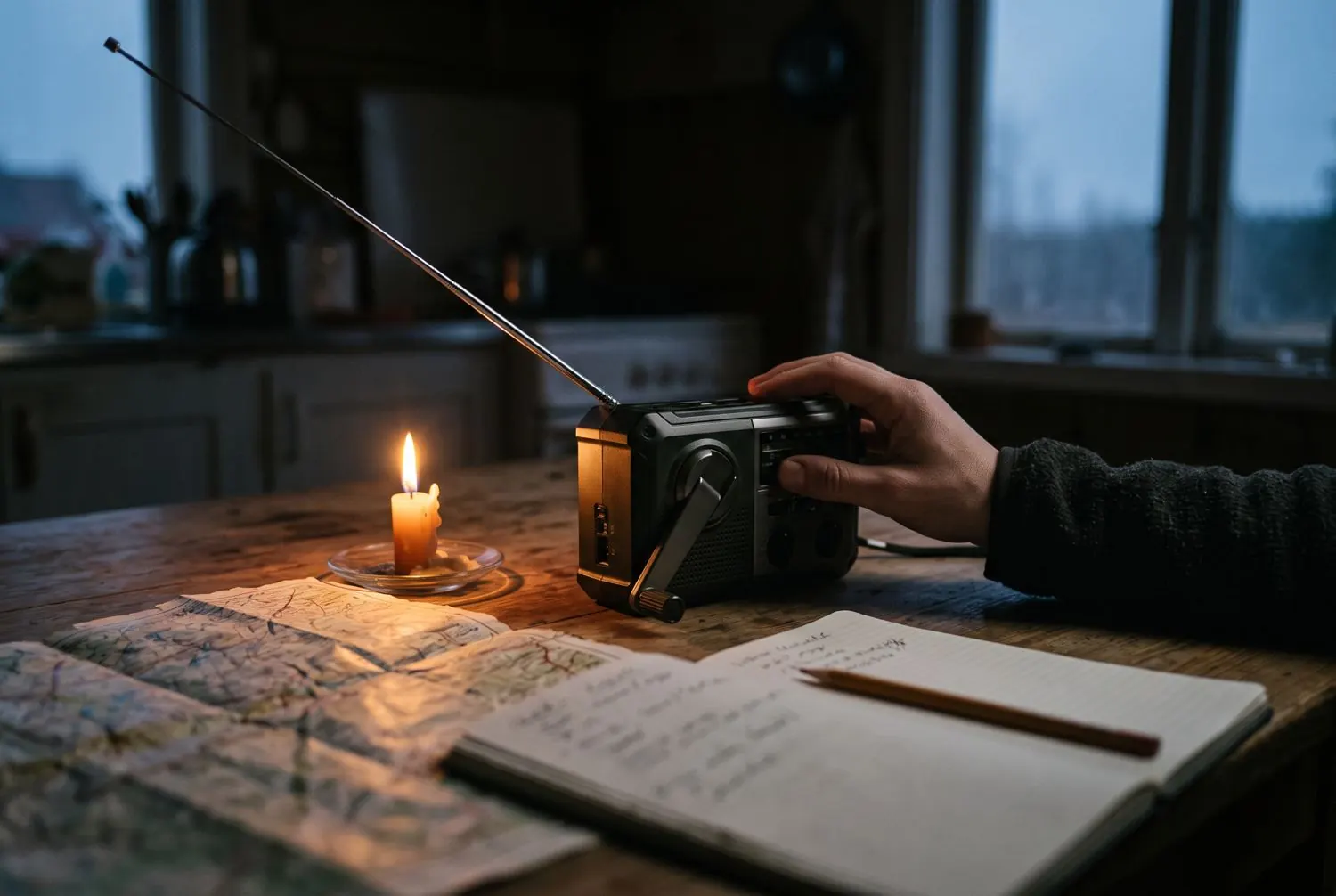 ConflictsHow to stay informed without panicking or believing chain messages.
Open the monitoring center Illustrative images
Stage 1 · Step 5 of 6
Tell signal from noise
Most alarming headlines change nothing. These six signs do, and four questions tell you whether a headline can be trusted.
Signs that do change your preparedness
- 01State of emergency or warDeclared in your country or a neighboring one.
- 02Border or airspace closuresEspecially for military reasons.
- 03Reservists mobilizedOr unusual call-ups.
- 04Attacks on infrastructurePower, water, communications or refineries.
- 05Limits on withdrawals or fuelOfficial rationing or account freezes.
- 06Official shelter alertDon't wait any longer: follow the instruction.
For the first five: check your supplies, charge batteries and review your plan for leaving the country.
How to check a headline in one minute
- Who publishes it? An outlet with a name, author and date, not a forwarded chain message.
- Do two outlets from different countries confirm it? If only one source says it, wait.
- Does an authority say it? A government, military or international body, by name.
- Is the video from today? Many viral videos are from other years or other countries.
Aside · At readers' request
Other kinds of preparation
Four topics many people ask us about. They don't all have the same backing: each page separates what people say from what has been proven, and ends with what you can actually prepare for.
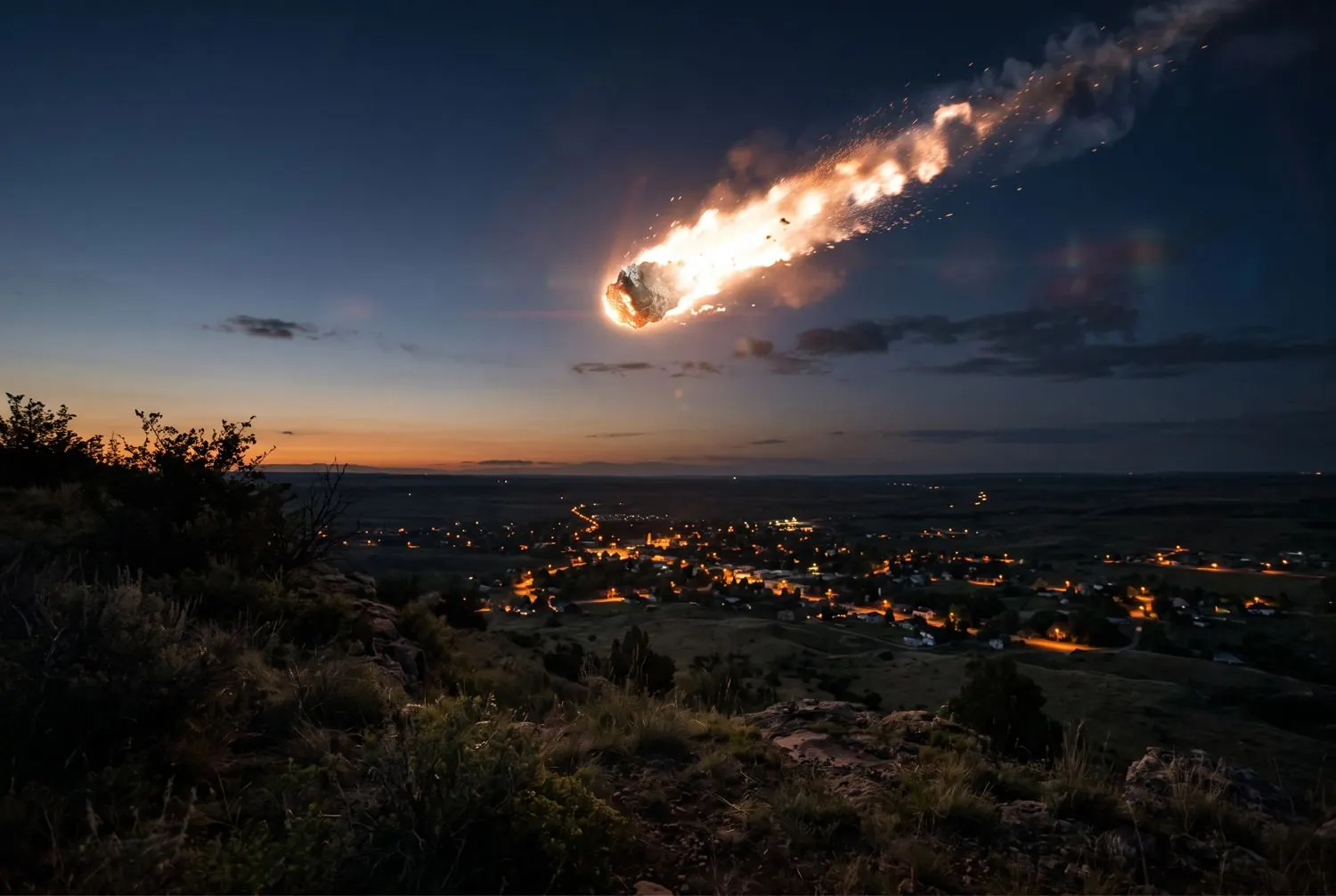 Metal asteroidPreparing for an impact
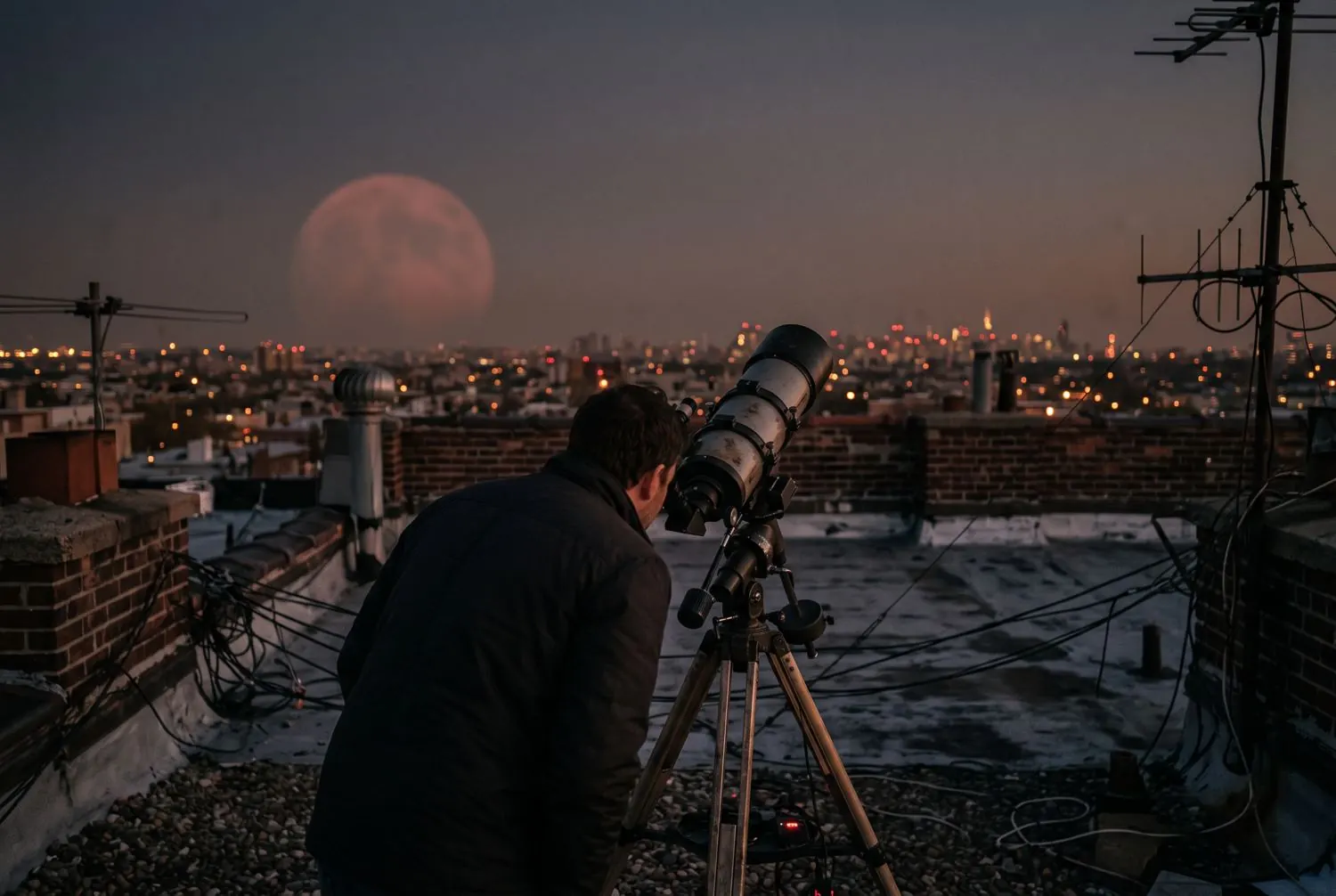 Hercolubus or NibiruPreparing for its consequences
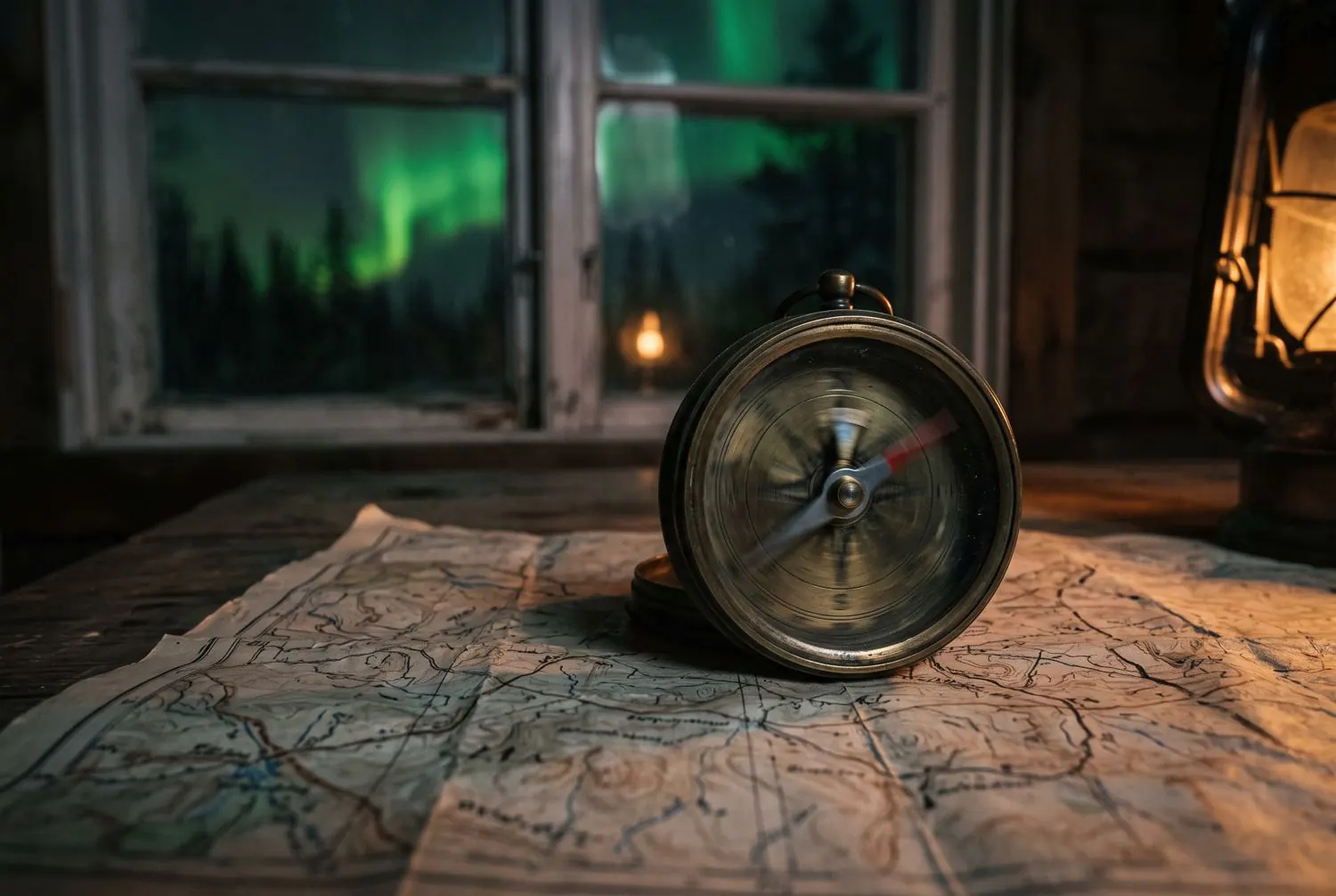 Pole reversalPreparing for its consequences
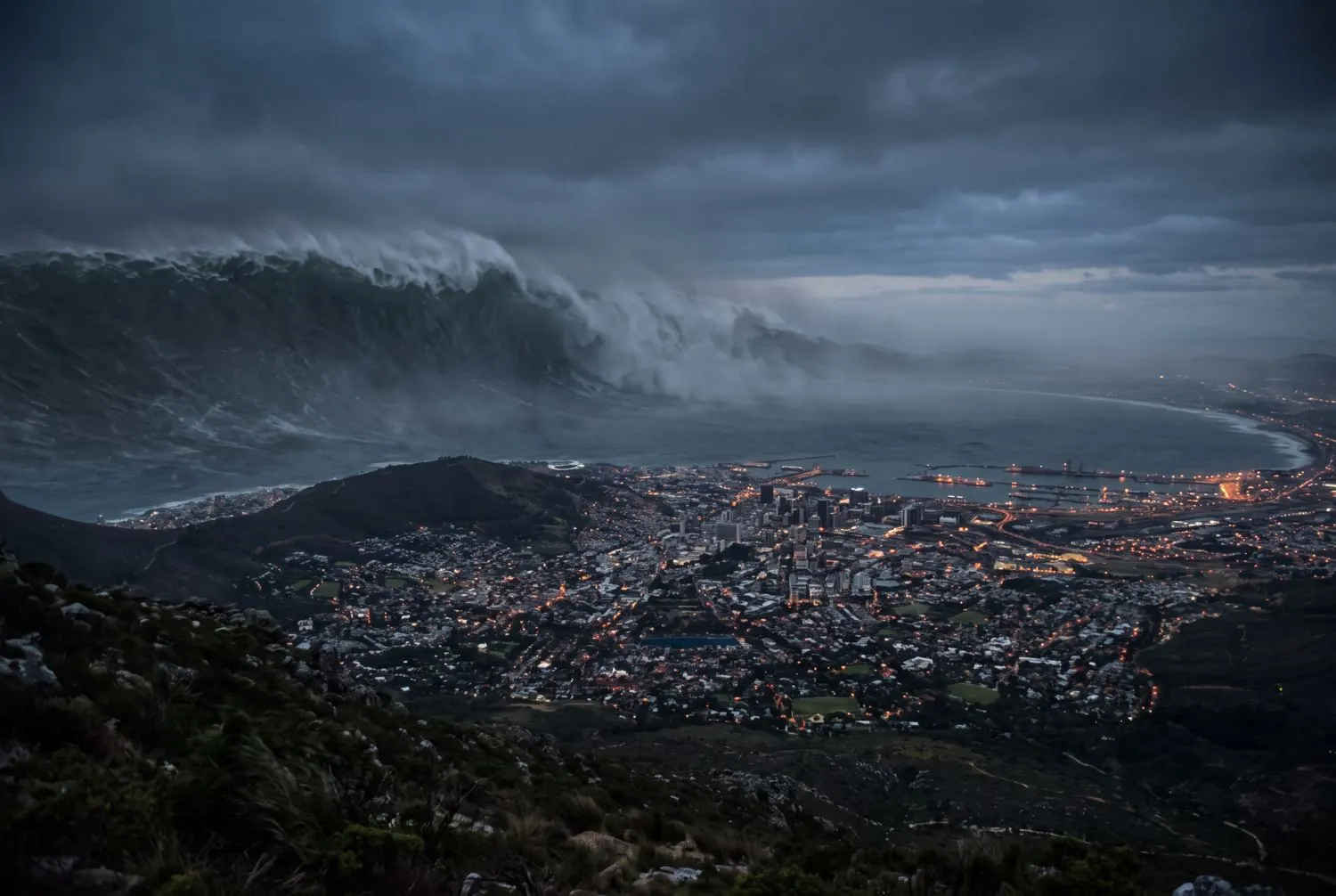 Giant tidal wavePreparing if you live near the sea
Illustrative images
Stage 1 · Step 6 of 6
Turn on your alerts and finish the stage
Three ten-minute actions and a checklist. When you check all six boxes, move on to stage 2.
- Turn on your phone's emergency alertsThey come built into the system; make sure they aren't turned off. How to do it on Android and iPhone
- Save the monitoring centerAdd it to your home screen and check it once a week. Open the map
- Talk to your familyWho calls whom and where you meet if there is no phone service. Family plan card