HomeStage 3 · Trades and long-term healthTrades and long-term health guide
Stage 3 · Trades and long-term health guideTrades and health: know-how
In a long crisis, knowing how is worth more than owning. A trade makes you useful to your community, and looking after your health prevents what nobody will be able to cure.
The only thing you need to remember
- Choose a trade and practice it starting today.
- Daily medications: talk to your doctor about keeping a supply.
- Teeth, eyes and vaccines up to date: what isn't treated today hurts tomorrow.
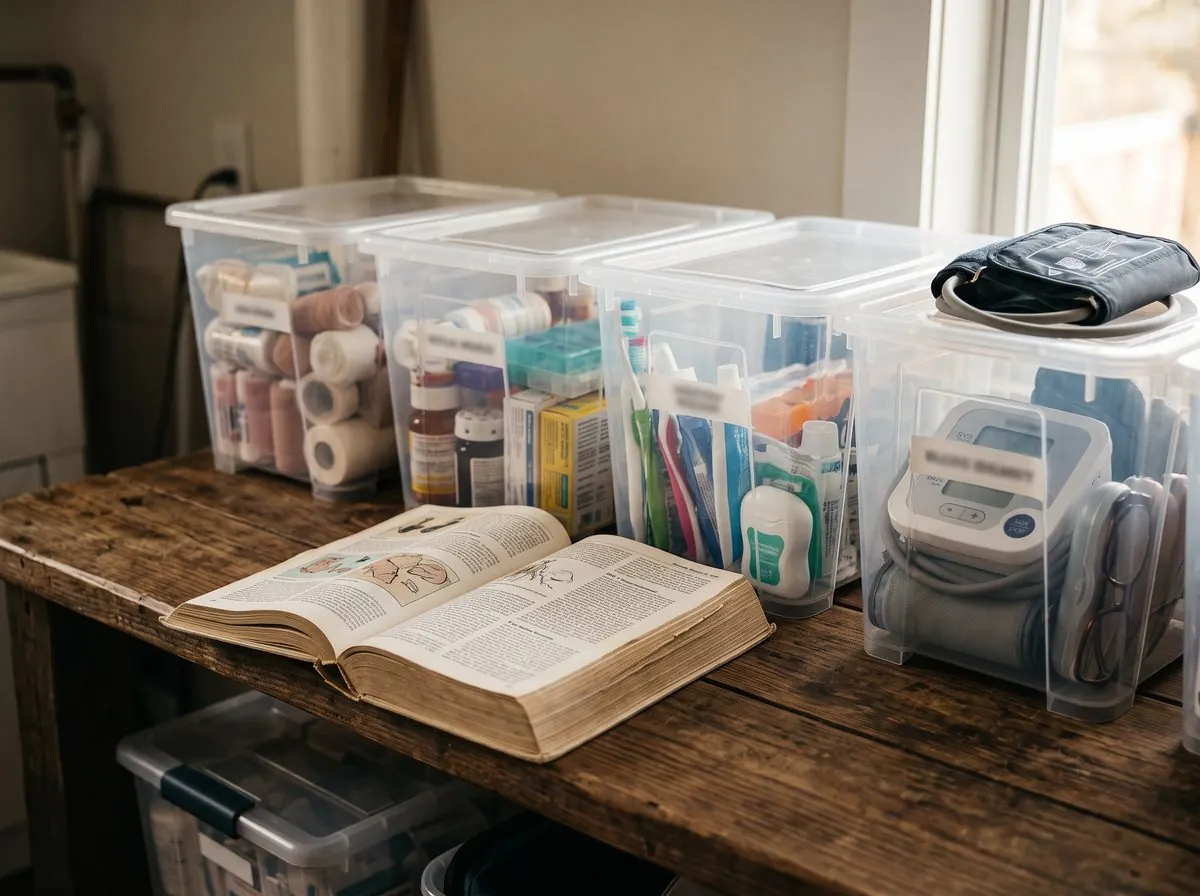
- A health book on paper, for when there is no internet.
Step 1 of 4 · A trade
Learn something others need
RepairToolsCarpentry, plumbing, basic electrical work, bicycle mechanics.
MakeClothing and foodSewing and mending, bread, preserves, soap.
CarePeople and animalsAdvanced first aid, childbirth, animal care.
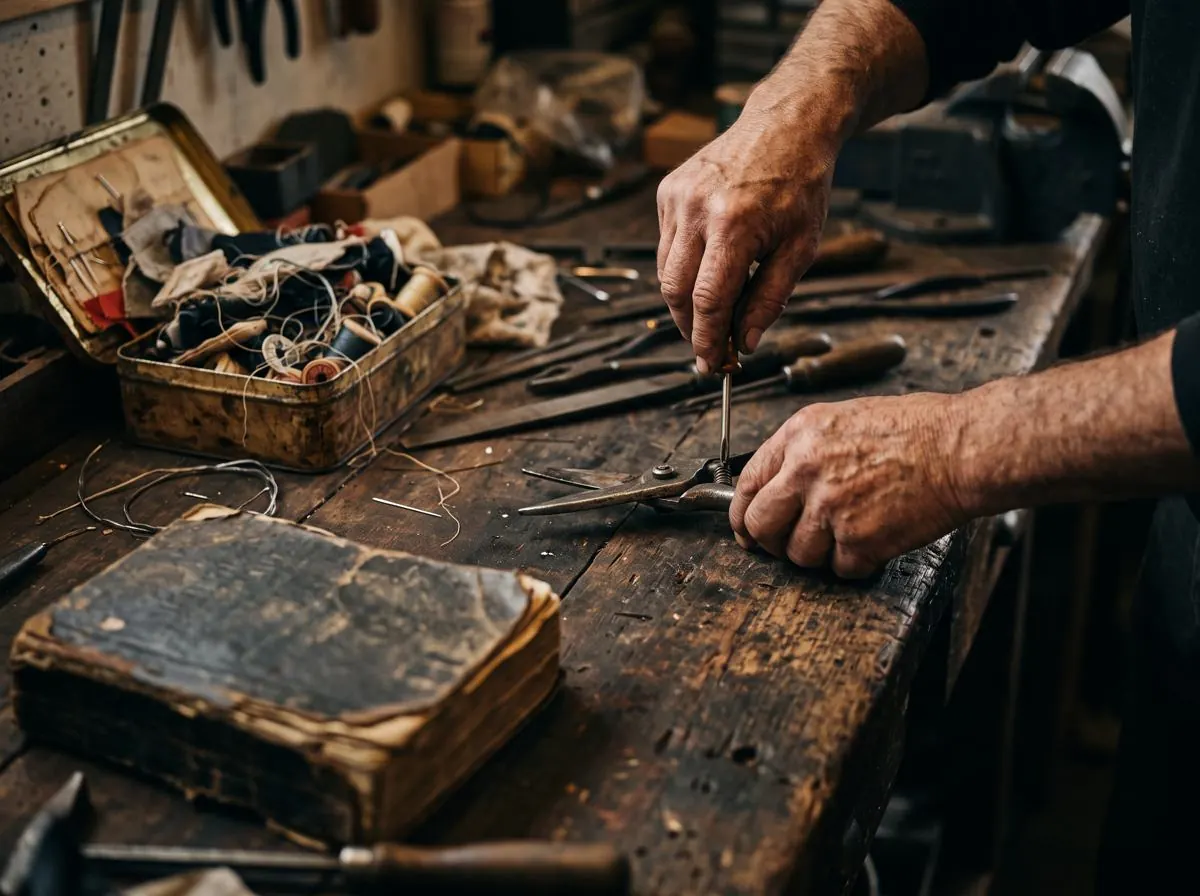
- Start with hand sewing: with a needle and thread you can fix clothes, backpacks and tarps.
- Collect hand tools: hammer, handsaw, screwdrivers, pliers, file and sharpening stone.
- Practice once a week: what you don't practice, you forget.
Step 2 of 4 · Health
Long-term health: prevention
- Chronic medicationsAsk your doctor how to keep a supply of what you take every day.
- TeethToothbrush, toothpaste and floss for months. A toothache with no dentist is serious.
- EyesA spare pair of glasses with your prescription.
- VaccinesTetanus up to date: a booster every 10 years. Any wound with dirt in it can cause it.
Expanded first aid kit: pain relievers, oral rehydration salts, antiseptics, bandages, a thermometer and a blood pressure monitor.
Step 3 of 4 · Learn beforehand
Courses and books before you need them
- A first aid course with your country's Red Cross, and then the advanced one.
- A neighborhood brigade or CERT team: they train you for free.
- "Where There Is No Doctor", by Hesperian: a health manual for places without a doctor, free online.
- One trade per person in the family: that way the tasks get shared.
No book replaces a doctor. Use it to prevent problems and to act while help is on the way.
Step 4 of 4 · Check
Check what you already have
0 of 5 · Saved only on this device.
Three common mistakes
- Buying tools and never learning to use them.
- Running out of chronic medications because you didn't plan.
- Leaving a toothache or a wound "for later."
Sources: Hesperian · Where There Is No Doctor · IFRC · first aid 2020